
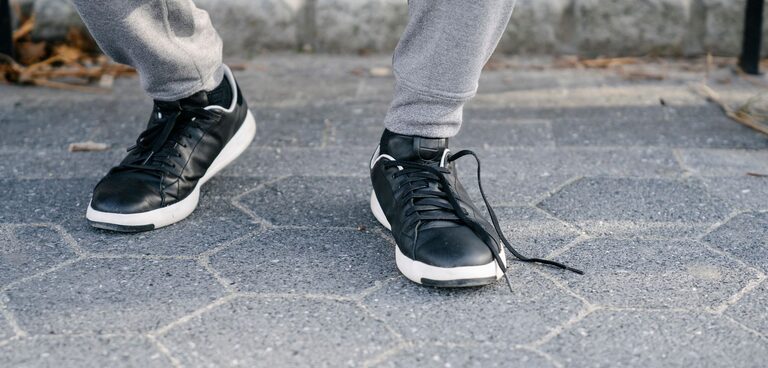
Neighborhood walks may look simple, but the right shoes can make them much more enjoyable. A comfortable pair should feel secure from the first step, handle different surfaces, and provide enough cushioning for your usual routes. Whether you walk around the block, visit a local park, or run a few errands on foot, choosing carefully can help you avoid discomfort and get more use from every outing.
Start With Your Walking Habits
Before comparing shoe styles, think about how and where you usually walk. Your routine matters because a shoe that works well on smooth sidewalks may not be the best choice for grassy paths or uneven streets.
Consider these questions:
– How long are your typical walks?
– Do you walk mostly on sidewalks, pavement, trails, or a mix?
– Do you walk at a relaxed pace or move quickly?
– Will you wear the shoes in warm, rainy, or cool weather?
– Do you need shoes for walking only, or for errands and daily activities too?
For short walks on even pavement, a lightweight walking shoe may be enough. If your route includes gravel, park paths, or cracked sidewalks, look for a sole with a little more traction and protection. If you plan to use the shoes throughout the day, choose a design that balances comfort, durability, and appearance.
Look for a Comfortable Fit
Fit is one of the most important features of any walking shoe. A shoe can have excellent materials and a stylish design, but it will not feel comfortable if it is too tight, too loose, or shaped differently from your foot.
When trying on shoes, check the following:
Allow Room for Your Toes
Your toes should have enough space to move naturally without pressing against the front or sides of the shoe. Leave a small amount of room between your longest toe and the end of the shoe. This space allows for normal movement and helps prevent your toes from feeling cramped during longer walks.
The toe area should also be wide enough for your foot. If the sides squeeze your toes together, try a wider version or another model with a different shape.
Check the Heel and Midfoot
The heel should feel held in place without pinching. Walk around the store and notice whether your heel lifts excessively with each step. A small amount of movement may be normal, but too much sliding can lead to rubbing and an unstable feel.
The middle of the shoe should feel comfortably secure. Laces, straps, or other adjustable features can help you create a better fit than a slip-on style with no way to adjust the tightness.
Try Both Shoes
Feet are not always exactly the same size, so try on both shoes. Stand, walk, turn, and step up or down if possible. The shoes should feel comfortable while you are moving, not just while you are sitting.
It is also helpful to try shoes later in the day, when feet may be slightly larger than they are in the morning. Wear the type of socks you expect to use for walking so you can judge the fit accurately.
Choose the Right Cushioning
Cushioning affects how the shoe feels underfoot. Some people prefer a soft, padded feel, while others like a firmer, more direct connection with the ground. Neither option is automatically best for everyone.
Soft cushioning can make long walks feel pleasant and may reduce the harsh sensation of hard pavement. However, a very soft shoe may feel less stable to some walkers. Firmer cushioning can provide a more grounded feel and may suit people who prefer a responsive stride.
When testing a shoe, take several steps on a hard surface. Pay attention to whether the sole feels comfortable without feeling unstable or overly heavy. The best choice is usually the one that feels natural and comfortable for your walking style.
Pay Attention to Support and Flexibility
Walking shoes should support your feet without feeling stiff or restrictive. A useful shoe often bends near the front of the foot, where your foot naturally moves during a step. If the entire shoe twists easily from side to side, it may not feel stable enough for your route.
Look for a sole that provides a steady platform. The shoe should not collapse noticeably when you walk or shift your weight. At the same time, it should not feel like a hard shell that prevents normal movement.
Support does not always mean a bulky shoe. Many modern walking shoes use lightweight materials and structured soles to provide stability without excessive weight.
Select Materials for the Weather
The materials used in a shoe can affect comfort, breathability, and durability.
For warm weather, breathable mesh or fabric panels can allow more airflow. These materials may help your feet feel cooler during longer outings. For wet conditions, look for water-resistant materials or a design that helps keep light rain out. Fully waterproof shoes can be useful in damp weather, but they may feel warmer than breathable options.
If you often walk in changing conditions, consider the climate where you live and choose a practical balance. You might prefer a breathable shoe for most days and a water-resistant pair for rainy seasons.
Examine the Outsole
The outsole is the part of the shoe that contacts the ground. It should provide enough traction for the surfaces you use most often.
For neighborhood walking, look for:
– A rubber or rubber-like outsole
– Tread patterns that grip sidewalks and paths
– Enough thickness to protect against small stones and rough pavement
– Flexible areas near the front of the foot
– A design that is not excessively heavy
Deep, aggressive tread may be useful on rough trails, but it can feel unnecessary on smooth sidewalks. On the other hand, a very flat outsole may provide less grip on wet or uneven surfaces. Match the tread to your usual environment.
Consider Weight and Everyday Convenience
A lightweight shoe can feel easier to wear during casual walks and daily errands. Heavy shoes are not always uncomfortable, but they may make each step feel more tiring over time. Compare similar styles by holding them in your hands and walking around in them.
Convenience is another factor. Traditional laces allow precise adjustment, while slip-on designs are quick to put on. Some shoes combine elastic panels with adjustable laces for a balance of speed and security.
Think about how you will use the shoes beyond walking. If you plan to wear them for shopping, travel, or casual gatherings, choose a style that fits comfortably into your daily routine.
Test Shoes Before Committing
Do not rely only on appearance or brand reputation. Walk in the shoes for several minutes whenever possible. Pay attention to pressure points, rubbing, heel movement, and how your feet feel after repeated steps.
A shoe should feel comfortable when you first try it. While some materials may soften slightly with use, you should not expect a painful or restrictive shoe to become perfect after a break-in period. If you notice discomfort in the store, try a different size, width, or style.
Once you bring the shoes home, wear them indoors on a clean surface for a short time. This gives you another opportunity to check the fit before using them outside.
Care for Your Walking Shoes
Proper care can help walking shoes stay comfortable and useful longer. Let shoes air out after use, especially if they become damp. Remove loose dirt with a soft brush or cloth, and follow the manufacturer’s cleaning instructions.
Avoid placing most shoes near strong direct heat, which can damage adhesives and materials. Rotate between two pairs if you walk frequently. This gives each pair time to dry and recover between outings.
Inspect the soles and upper materials from time to time. If the tread is worn smooth, the cushioning feels flat, or the shoe no longer fits securely, it may be time to replace the pair.
Make Comfort the Main Priority
The best walking shoes are not necessarily the most expensive or the most fashionable. They are the shoes that fit your feet well, suit your walking routes, and feel comfortable throughout your outing. By considering fit, cushioning, support, materials, traction, and everyday convenience, you can choose a pair that makes neighborhood walks easier to enjoy.