
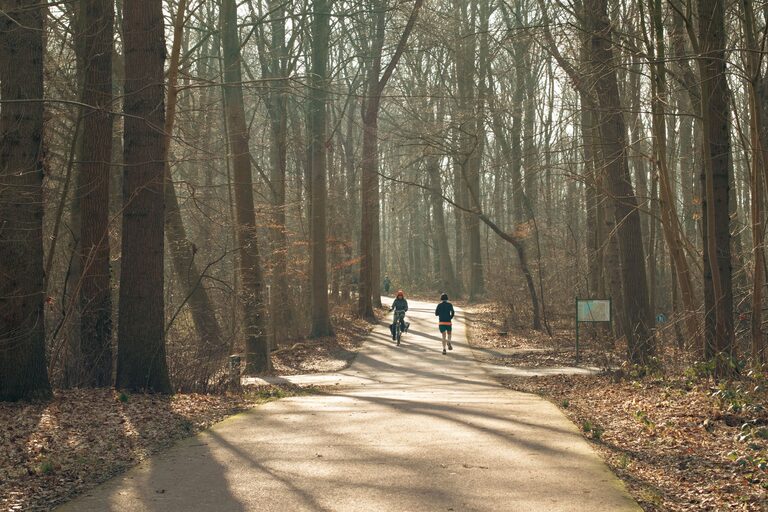
Staying active does not have to mean running long distances, lifting heavy weights, or joining a demanding sports team. Low impact outdoor activities offer a comfortable way to move more while enjoying fresh air, natural scenery, and time away from screens.
These activities place less stress on your joints than high impact options such as running or jumping. They can also be adjusted for different ages, abilities, schedules, and fitness levels. Whether you are returning to activity, looking for a relaxed routine, or simply hoping to spend more time outside, there is an option that can work for you.
Why Choose Low Impact Outdoor Activities?
Low impact activities keep at least one foot on the ground or use smooth, controlled movements. This can make them easier to begin and maintain as part of a regular routine.
Outdoor movement may also make activity feel more enjoyable. A change of scenery, a favorite trail, or a walk with a friend can provide motivation without making exercise feel like a chore.
Common benefits include:
– Building regular movement into your day
– Supporting strength, balance, and flexibility
– Improving stamina gradually
– Spending time in nature
– Creating opportunities for social connection
– Making active habits more enjoyable
The key is to choose activities that feel manageable now, then adjust them as your comfort and confidence grow.
Walking on Paths and Trails
Walking is one of the most accessible outdoor activities. It requires little equipment and can be adapted to nearly any fitness level.
Beginners may start with a short walk around the block, through a park, or along a flat path. More experienced walkers can increase their pace, walk for longer periods, or choose trails with gentle hills.
Ways to Make Walking More Interesting
– Explore a new neighborhood or local park
– Listen to music, an audiobook, or a podcast
– Walk with a friend, family member, or pet
– Set a simple distance or time goal
– Take photos of interesting plants, buildings, or views
– Plan a walking route with rest stops
If you are new to regular activity, begin with a pace that allows comfortable conversation. As walking becomes easier, add a few minutes at a time or include brief sections at a slightly quicker pace.
Cycling at a Comfortable Pace
Cycling provides a smooth way to move while enjoying parks, bike paths, and quiet roads. A traditional bicycle, recumbent bike, or electric bicycle can offer different levels of support and comfort.
Choose a route that matches your experience. Flat, paved paths are often a good starting point, while longer routes and gentle hills can provide a new challenge later.
Before setting out, check that:
– The seat is adjusted to a comfortable height
– The tires are properly inflated
– The brakes work well
– You have water with you
– You are familiar with local cycling rules
A helmet and bright or reflective clothing can help improve visibility. Keep your first rides short and focus on becoming comfortable with your bicycle and surroundings.
Swimming and Water Walking
Pools, calm lakes, and designated waterfront areas can provide excellent settings for low impact movement. Swimming uses the whole body, while water walking offers a slower, simpler option.
Water supports much of your body weight, allowing you to move with less jarring force. You can walk forward, backward, or sideways in shallow water. Try adding gentle arm movements to involve more of your upper body.
If you swim, choose a pace and stroke that feel comfortable. Short intervals with breaks can be just as useful as one continuous session. If you are using an unfamiliar outdoor swimming area, follow posted rules and stay within supervised zones when available.
Kayaking and Paddle Activities
Kayaking and stand up paddleboarding can combine gentle movement with time on the water. Recreational kayaking is often performed at a relaxed pace, making it suitable for people who prefer steady activity rather than fast competition.
Beginners should consider taking a lesson or joining a guided outing. Calm water and stable equipment can make the experience more enjoyable. Wear a properly fitted personal flotation device and check local weather and water conditions before leaving shore.
You can also try a shorter outing close to the launch point. This allows you to learn how the equipment feels without committing to a long trip.
Golf and Disc Golf
Traditional golf and disc golf both involve walking, coordination, and repeated light activity. You do not need to play a full course to enjoy the benefits.
Try a practice area, a short course, or a few holes with friends. Walking between shots adds movement, while carrying or using a light bag can provide an additional challenge. If the course is long, consider using a cart or choosing a shorter layout.
Disc golf can be a casual way to explore parks and wooded areas. Focus on learning the basic throwing motion and enjoying the course rather than aiming for a particular score.
Outdoor Yoga and Gentle Stretching
Yoga does not require a studio. A quiet park, backyard, or open space can provide a pleasant setting for gentle movement and stretching.
Bring a mat or choose a clean, level surface. Begin with simple movements that focus on breathing, balance, and range of motion. Examples include standing stretches, slow side bends, seated twists, and relaxed balance exercises.
Keep movements controlled and avoid forcing a stretch. Outdoor yoga can be especially enjoyable in the morning or evening, when temperatures are more comfortable.
Gardening and Yard Activities
Gardening is a practical way to stay active outdoors. Digging, planting, watering, weeding, and carrying small containers all involve movement.
To make gardening more comfortable:
– Use lightweight tools when possible
– Alternate between standing, kneeling, and sitting
– Take regular water breaks
– Work in short sessions
– Keep frequently used tools within easy reach
– Choose raised beds or containers if bending is uncomfortable
Other yard activities, such as sweeping a patio, washing a car, or organizing outdoor spaces, can also help you spend more time moving.
Outdoor Games and Social Activities
You do not need to follow a formal workout plan to be active. Casual games can encourage movement while keeping the focus on fun and connection.
Consider:
– Bocce
– Croquet
– Lawn bowling
– Horseshoes
– Easy frisbee
– Outdoor table tennis
– Scavenger hunts
– Nature photography walks
Choose games that allow participants to move at different speeds. You can also modify the rules, shorten the playing area, or include seated options so everyone can take part.
How to Build a Comfortable Routine
Start with activities you genuinely enjoy. A routine is easier to maintain when it fits your interests, schedule, and surroundings.
Use these simple strategies:
- Begin with a realistic amount of time, such as 10 to 20 minutes.
- Pick a convenient location to reduce planning.
- Keep water and basic equipment ready.
- Schedule outdoor activity at a time when you feel most energetic.
- Invite someone else for encouragement and companionship.
- Increase duration or difficulty gradually.
- Celebrate consistency rather than speed or distance.
Pay attention to your comfort, energy, and the conditions around you. Choose shaded routes on hot days, add layers in cool weather, and take breaks when needed.
Low impact outdoor activities can support an active lifestyle without requiring intense workouts. From walking and gardening to cycling and water activities, the best choice is the one that feels enjoyable, practical, and sustainable for you. Start small, explore different options, and let your routine grow at a comfortable pace.