
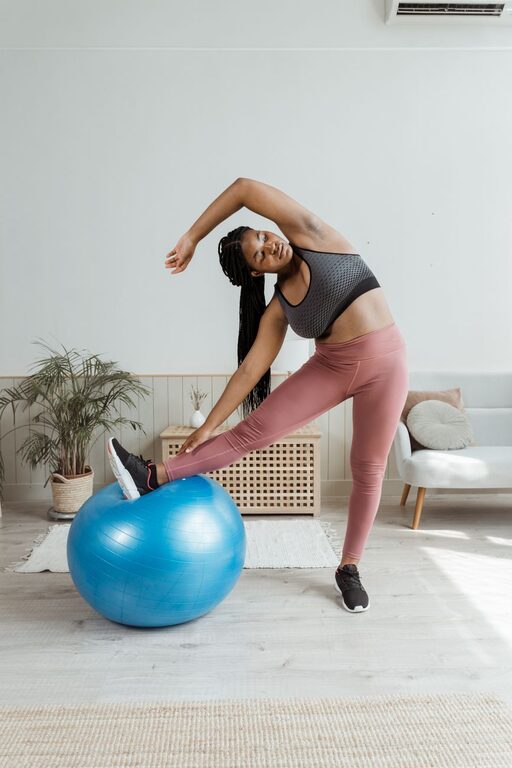
Moving comfortably through the day does not require an intense workout routine. Small, consistent habits can help you feel steadier, loosen up after periods of sitting, and make everyday movements feel easier. The key is to practice regularly and choose activities that fit naturally into your schedule.
Balance and flexibility work well together. Balance helps you control your body while standing, walking, reaching, or changing direction. Flexibility allows your joints and muscles to move through a comfortable range. By giving attention to both, you can build confidence in common activities without making movement feel like a chore.
Start With Short, Consistent Practice
A few minutes of movement each day can be more useful than a long session that happens only occasionally. Try adding simple exercises to routines you already have, such as brushing your teeth, waiting for coffee, or taking a break from your computer.
Begin with five to ten minutes and increase gradually if it feels comfortable. Regular practice may be easier to maintain when you:
– Choose a familiar time of day
– Keep movements slow and controlled
– Use a chair, wall, or countertop for support
– Focus on steady breathing
– Stop before you feel tired or strained
Consistency matters more than perfection. If you miss a day, simply return to the habit when you can.
Make Balance Part of Everyday Activities
Balance practice does not always need to look like a formal exercise. Many ordinary movements can become opportunities to improve body awareness and control.
Try Supported Single Leg Stands
Stand near a sturdy chair, counter, or wall. Place one hand on the support and slowly lift one foot a small distance from the floor. Hold for a few seconds, then place the foot down and switch sides.
Keep your standing knee soft rather than locked. Look at a fixed point in front of you, and keep your upper body relaxed. As the movement becomes familiar, you can reduce the amount of support, but always choose a setup that feels stable.
Practice Heel to Toe Walking
Walk slowly across a clear space by placing the heel of one foot close to the toes of the other foot. Take several steps while keeping your gaze forward. Use a wall or counter nearby if needed.
This practice encourages controlled steps and awareness of foot placement. Move at a comfortable pace rather than trying to walk quickly.
Shift Your Weight
Stand with your feet about hip-width apart. Gently shift your weight from side to side, then forward and backward. Keep both feet connected to the floor and move within a comfortable range.
Weight shifting is a simple way to notice how your body responds when your center of balance changes. It can also help you feel more prepared for reaching, turning, and stepping.
Add Gentle Flexibility Breaks
Long periods of sitting can leave the hips, shoulders, back, and legs feeling stiff. Short movement breaks can interrupt that pattern and help you feel more comfortable.
Set a reminder to stand or move every 30 to 60 minutes. Even one or two minutes can make a difference in how the rest of your day feels.
Shoulder and Upper Back Movement
Sit or stand tall with your arms relaxed. Slowly roll your shoulders up, back, and down several times. Then bring your arms forward and gently open them to the sides, keeping the movement easy.
You can also place your hands on your thighs and turn your upper body slightly to one side, then the other. Keep your hips facing forward and avoid forcing the twist.
Chest and Arm Stretch
Stand near a doorway and place your hands or forearms lightly on the frame. Take a small step forward until you notice a gentle stretch across the front of your chest and shoulders.
Hold the position for several comfortable breaths. Do not push into sharpness, numbness, or a strong pulling sensation. A stretch should feel mild and controlled.
Calf and Ankle Movement
Face a wall and place your hands on it for support. Step one foot back, keeping the heel down, and gently bend the front knee. This creates a light stretch in the calf of the back leg.
You can also lift your heels slowly, then lower them with control. Ankle circles and gentle toe lifts are easy to do while seated or standing.
Hip and Back Mobility
Sit near the front of a sturdy chair with both feet on the floor. Slowly stand up, then sit back down with control. Repeat several times at a comfortable pace.
For a gentle seated stretch, extend one leg with the heel resting on the floor. Keep your back comfortably straight and lean forward slightly from the hips. Return to an upright position before switching sides.
Use Breathing to Improve Control
Breathing can help you stay relaxed while you move. Try inhaling slowly before a movement and exhaling as you complete it. Avoid holding your breath, especially during balance practice.
A calm breathing pattern can also remind you to slow down. When movement feels rushed, balance and coordination may become more difficult. Smooth, steady actions are usually more helpful than trying to stretch farther or move faster.
Improve Your Movement Environment
Your surroundings can support comfortable movement. Keep walkways clear, make sure frequently used items are easy to reach, and use stable furniture when practicing balance.
Wear comfortable footwear that fits securely. If you practice on a mat, place it on a surface where it will not slide. Good lighting can also make it easier to see where you are stepping.
When sitting, adjust your chair so your feet can rest comfortably on the floor. Change positions throughout the day instead of trying to maintain one posture for too long.
Build a Simple Weekly Routine
A flexible routine might look like this:
– Every day: Take short movement breaks and practice gentle weight shifts.
– Three to five days a week: Spend five minutes on balance exercises.
– Most days: Add light stretches for the shoulders, hips, calves, and ankles.
– Once a week: Notice which movements feel easier and which areas still feel stiff.
You can combine these habits with a walk, household tasks, or a favorite music playlist. The goal is to make movement familiar and enjoyable.
Listen to Your Body
Comfort should guide your practice. Move slowly, avoid bouncing during stretches, and stay within a range that feels manageable. Mild effort is normal, but stop if you experience sharp pain, sudden weakness, unusual dizziness, or another concerning sensation. If you have specific movement limitations or questions about what is appropriate for you, consider asking a qualified professional for personalized guidance.
Small habits can create meaningful changes in how movement fits into your day. By practicing balance, adding gentle flexibility breaks, and paying attention to your surroundings, you can support smoother, more confident daily movement—one comfortable step at a time.